
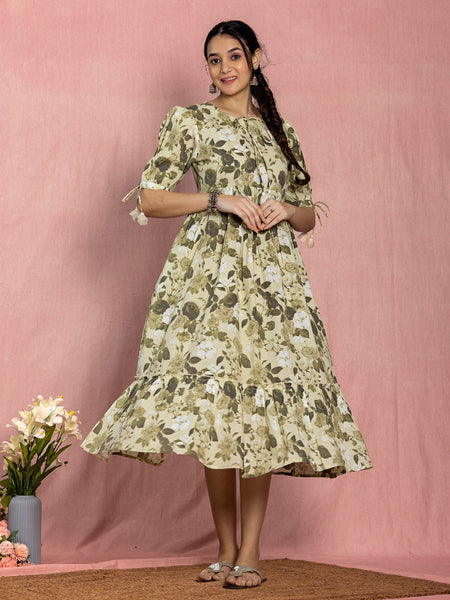
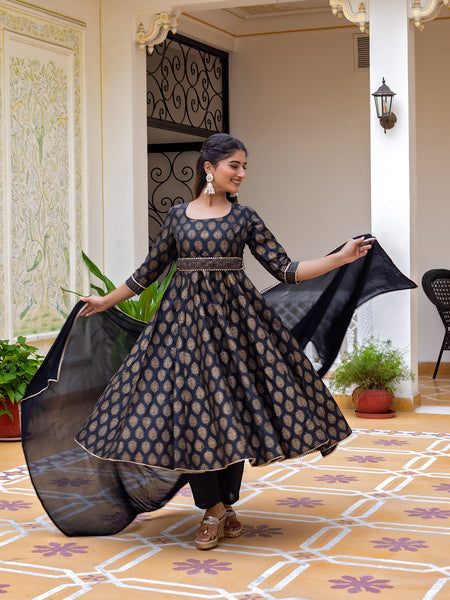
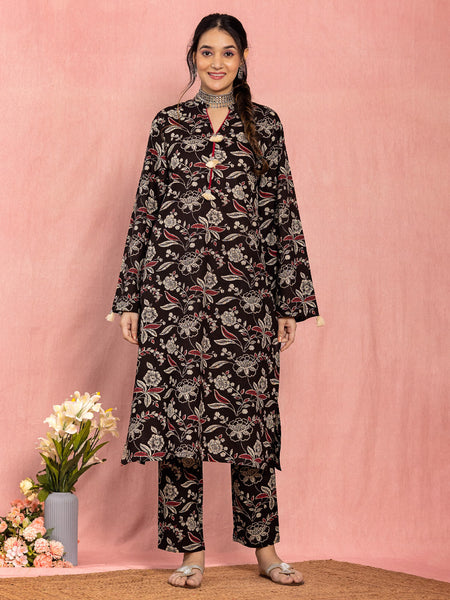
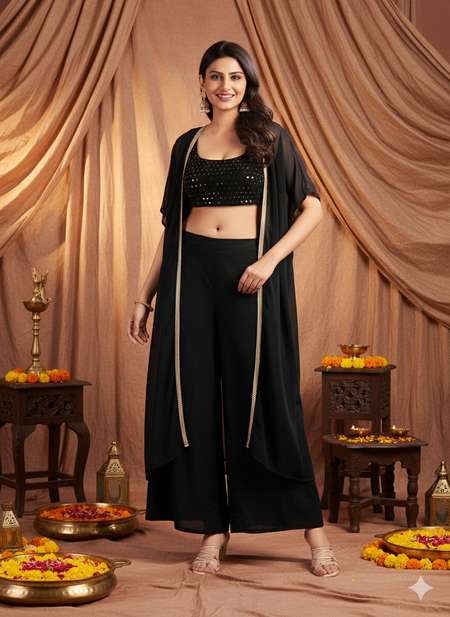
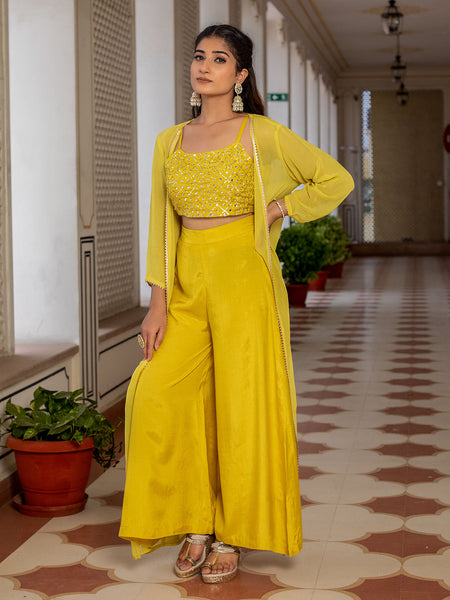
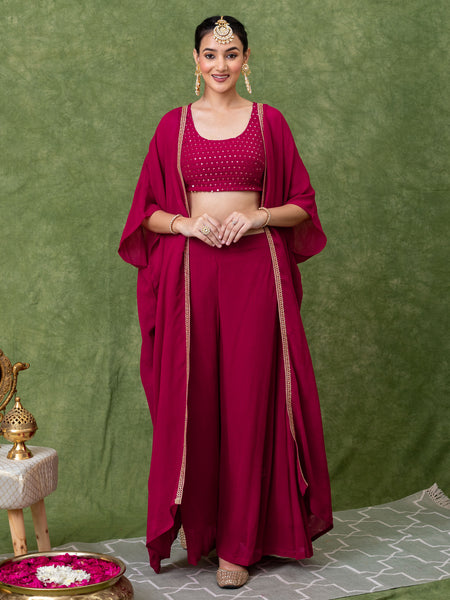

Indian women aren't dressing for occasions anymore. They're dressing for consequence — and ethnic wear is quietly being rewritten because of it.
The Old Question Was Wrong
For decades, the question Indian women asked their wardrobes was: what's the occasion?
A wedding meant a heavy lehenga. An office meant a kurta and trousers. A festival meant something embroidered. A wedding guest list meant six outfits planned three months ahead. The wardrobe was sorted by event, organised by season, and most of it sat unworn for ten months of the year.
That model is breaking. Slowly, then quickly. And the women breaking it aren't doing it loudly.
What Changed
Three things shifted at roughly the same time.
First, women's lives got more visible. Work-from-home blurred the line between dressed and undressed. A kurta worn to a Zoom call had to also handle a pickup, an evening walk, and a dinner with the in-laws. The same outfit, eight times a day, in eight different contexts.

Second, comfort stopped being something women apologised for. The era of asking ethnic wear to be tight, structured, or visibly uncomfortable started ending around 2020. By 2026, comfort is no longer a compromise — it's the brief.
Third, the cultural script for "dressing well" got rewritten. A simple cotton kurta with the right cut now reads as more considered than an embroidered ensemble. The signal isn't expense anymore. It's intention.
Dressing for Consequence, Not Occasion
The phrase started appearing in fashion writing about a year ago, and it captured something most women had already started doing: choosing clothes based on the day they were actually going to live, not the event the brand assumed they were dressing for.
"Consequence dressing" means asking different questions than the old wardrobe required:
- Will this hold up across the eight things I'm doing today?
- Can I sit cross-legged in this without thinking about it?
- Will I still want to wear this in three years?
- Does this make me feel more like myself, or less?
None of these questions are about the event. All of them are about the woman. That's the shift.
Why Ethnic Wear Is Where This Is Happening Fastest
Western wear in India has always been tied to context — work, gym, going-out, casual. The categories are clean. But Indian ethnic wear was historically built around weddings and festivals. There wasn't a strong vocabulary for ethnic wear that was just worn, the way a t-shirt is worn.

That vocabulary is now being written. Cotton kurtas designed for daily wear. Farshi Salwars in muted everyday tones. Block-printed coord sets that move from morning to evening. Lighter dupattas that don't require constant adjustment.
None of this is new in concept — Indian women have been wearing cotton kurtas every day for centuries. What's new is that brands are finally designing for that reality instead of designing only for the wedding photographer.
The Slow Fashion Connection
This shift overlaps with slow fashion, but it's not exactly the same thing.
Slow fashion is about consuming less. Consequence dressing is about consuming differently — choosing pieces that survive the test of an actual life, not just a photo opportunity.
The two ideas reinforce each other. A kurta that can be worn 200 times a year is, by definition, a slower-fashion choice than one that's worn three times for festive seasons. A Farshi cut from cotton you can wash at home is more sustainable than one cut from a fabric that requires dry-cleaning.
Indian women are making these calculations now. Not all of them, not loudly, but enough that the market is moving.
What the Old Wardrobe Got Wrong
The premise of the old wardrobe was that the occasion mattered more than the woman.
You dressed for the wedding. You dressed for the office. You dressed for what people expected. The clothes pre-decided the day; you fit yourself into them.
The new premise reverses that. The woman comes first. She decides what the day asks of her, and the clothing follows. Sometimes the day asks for ease. Sometimes it asks for presence. The wardrobe answers — but doesn't dictate.
That's not a small change. It's a quiet rewriting of what Indian dressing is for.
Where This Goes Next
The old categories aren't disappearing. Brides will still wear lehengas. Festivals will still be visibly festive. But the centre of gravity is moving.
The future of Indian ethnic wear sits in the everyday. Cotton kurtas you can live in. Farshi Salwars you can wear to lunch. Coord sets that don't require a dupatta speech every time you leave the house. Pieces that fit into a life rather than interrupting it.
The revolution is quiet because the women leading it aren't trying to revolutionise anything. They're just refusing to keep dressing for events that no longer organise their lives.
That refusal, repeated across millions of wardrobes, is what's actually changing the industry.
Kasya is built for the everyday — heritage-rooted ethnic wear designed for the woman, not the occasion. Explore the Farshi collection →

