
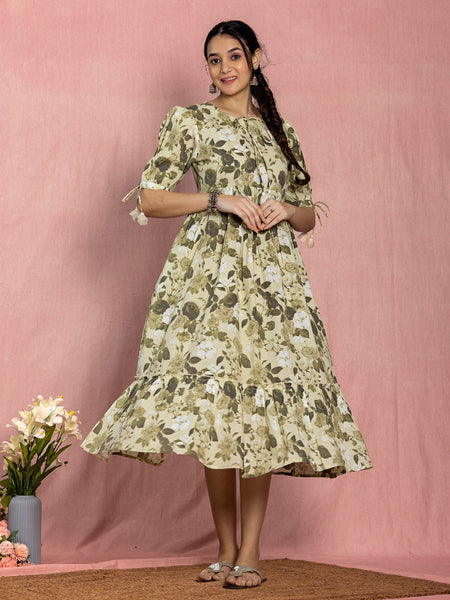
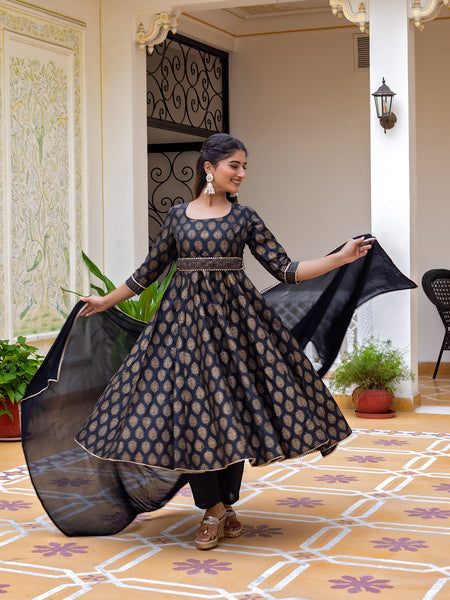
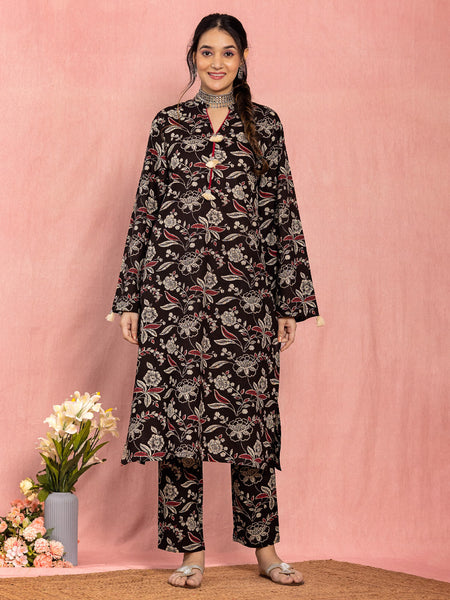
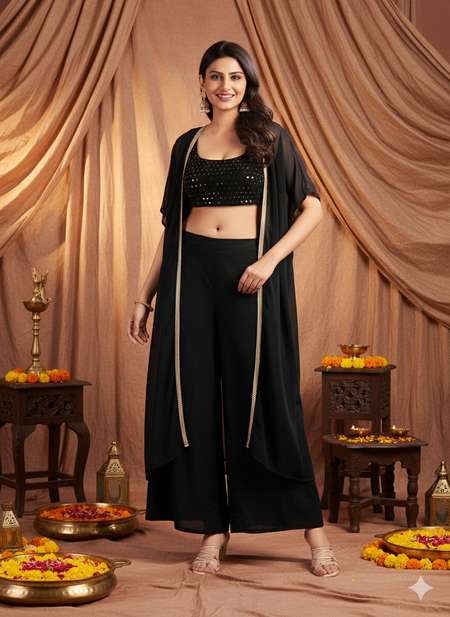
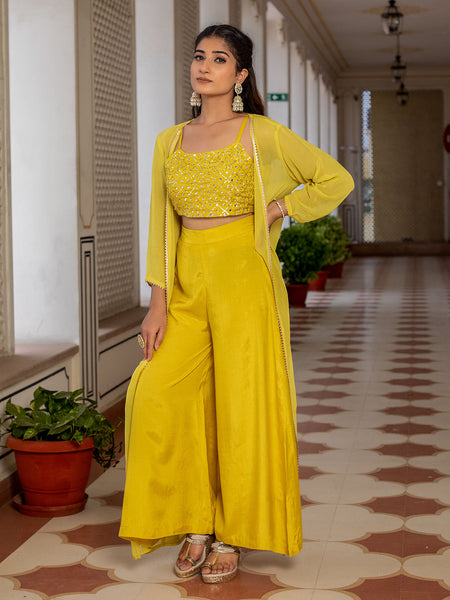
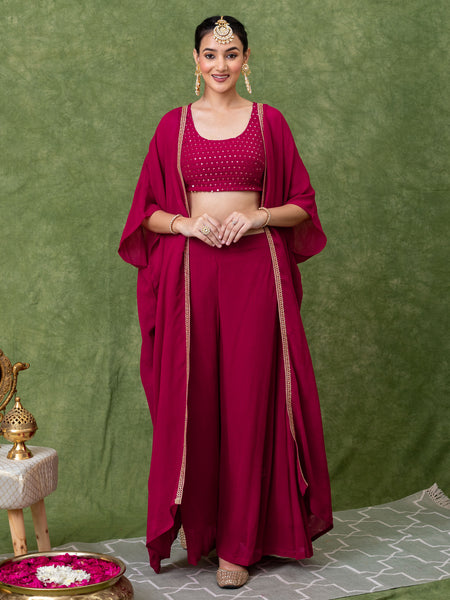

Cotton kurtas, cotton sets, cotton Farshis — the most-worn category in Indian ethnic wear has finally become the most considered. A buying guide for the woman who wants to wear ethnic every day.
Why Cotton Won
For a long time, cotton ethnic wear sat at the bottom of the prestige ladder. Silk was for weddings. Chanderi was for occasions. Synthetic blends were for everyday — cheap, convenient, and forgettable. Cotton was somewhere in between: respected, but rarely treated as a fashion category in its own right.
That hierarchy is broken now. Cotton has quietly become the most considered fabric in Indian ethnic dressing, and the reasons are practical rather than poetic.

Cotton breathes. It washes at home. It softens with age instead of degrading. It survives Indian summers, Indian humidity, and Indian wash cycles. And — increasingly — it's being cut and finished as well as the more "premium" fabrics.
Understanding Cotton: A Quick Primer
Not all cotton is equal. The fabric varies enormously based on staple length, weave, ply, and finishing. Here's what to look for:
Staple Length
| Type | Feel | Best for |
|---|---|---|
| Short-staple | Rough, pills faster, coarse | Avoid — common in cheap kurtas |
| Long-staple | Smoother, softer, lasts longer | Daily wear (Egyptian, Pima) |
| Combed | Smooth feel, durable | Mid-tier kurtas and sets |
Yarn Count and GSM
Yarn count measures fineness — higher numbers (60s, 80s) mean finer threads and a softer drape. GSM (grams per square metre) measures fabric weight.
| Use case | GSM range |
|---|---|
| Daily summer wear | 100–150 GSM |
| Winter or structured pieces | 180+ GSM |
Weave
| Weave | Character | Best for |
|---|---|---|
| Mulmul | Soft, lightweight, slightly sheer | Summer kurtas, light Farshis |
| Cambric | Tight weave, smooth, slightly crisp | Holds shape well |
| Khadi | Hand-spun, hand-woven, textured | Ages beautifully |
| Cotton silk | Body of silk without the maintenance | Mid-formality pieces |
What to Look for When Buying Cotton Ethnic Wear
1. Hold the fabric up to light
If it's see-through to a degree you didn't expect, it's lighter than advertised. Some lightness is good (mulmul); excessive transparency means thin, low-quality cloth.
2. Rub the fabric between your fingers
Quality cotton feels smooth without being slippery. If it feels papery or starchy, the finishing chemicals will wash out and leave you with a softer-but-thinner version of the same kurta.
3. Check the finishing
Look at hems, seams, and necklines. Quality cotton ethnic wear has clean, even stitching. Loose threads, uneven hems, or puckered seams are signs of rushed manufacturing — the fabric might be fine, but the construction will fail.
4. Read the wash care
"Hand wash only" on a daily-wear cotton kurta is a red flag. Real cotton can handle a gentle machine wash. If the brand is asking you to hand-wash, the dye is likely to bleed or the fabric is unstable.
5. Account for shrinkage
Cotton shrinks 3–7% on first wash. Quality brands pre-shrink the fabric before stitching, so the size you buy stays the size you have. Cheaper brands skip this step. If a kurta is "fitted" off the rack, it'll be tight after one wash.
Building a Cotton Ethnic Wardrobe
You don't need many pieces. You need the right ones.
The Five-Piece Foundation
1. A solid cotton kurta in a neutral tone. Off-white, sand, sage, or charcoal. The single most worn piece in any ethnic wardrobe. Pair with leggings, palazzos, jeans, or a Farshi.
2. A printed cotton kurta — block print, small floral, or buti. The everyday workhorse. Block prints in particular age well and look better after twenty washes than after one.

3. A cotton coord set. Matching kurta and bottoms in the same fabric, often with a coordinating dupatta. Saves the daily decision of what to pair with what.
4. A cotton Farshi or palazzo set. For days when you want presence without putting on something heavier. The volume reads as considered without requiring effort.
5. A cotton dupatta — plain or lightly bordered. Pairs with everything in the wardrobe. Skip embellished dupattas for daily use; they restrict styling.
Caring for Cotton Ethnic Wear
- Wash in cold water. Hot water sets stains and accelerates fading. Cold preserves both colour and structure.
- Turn pieces inside out before washing. Reduces friction on the printed surface.
- Use a gentle detergent. Skip strong enzymatic detergents on block prints — they degrade the dye over time.
- Line-dry in shade. Direct sunlight bleaches cotton. Indoor or shaded outdoor drying preserves colour for years.
- Iron while slightly damp. Cotton irons more evenly when there's still moisture in the fabric. Saves time and gives a cleaner finish.
- Store folded, not hung. Cotton stretches at the shoulders if hung for long periods. Folded storage keeps the silhouette intact.
The Long View on Cotton
The reason cotton is worth buying well is that it rewards the long view. A good cotton kurta, cared for properly, will last five to ten years. The fabric softens with each wash. The colour deepens or fades into a more lived-in version of itself. The piece becomes more yours over time, not less.
Most synthetic fabrics get worse with wear. Cotton gets better. That's not a small distinction — it's the entire reason the fabric has survived three thousand years of use in India while every trend fabric of the last century has come and gone.
Buy fewer pieces. Buy them well. Wear them every day. Cotton will hold up.
Frequently Asked Questions
Which cotton is best for daily wear?
Long-staple combed cotton in 100–150 GSM, woven as mulmul or cambric. Soft enough for everyday comfort, structured enough to hold shape across washes.
How do I stop cotton kurtas from shrinking?
Wash in cold water, line-dry in shade, and look for pre-shrunk cotton when buying — quality brands pre-shrink before stitching, which means the size you buy stays the size you have. Cotton naturally shrinks 3–7% on first wash if not pre-treated.
Is mulmul better than cambric for summer?
Yes for breathability — mulmul is lighter and lets more air through. Cambric is slightly crisper and holds structured silhouettes better. For summer dailies, mulmul wins; for office wear, cambric is the safer pick.
Can cotton ethnic wear be machine-washed?
Quality cotton handles a gentle machine wash on cold water with mild detergent. If a brand insists on hand-wash only for daily-wear cotton, it's a sign the dye is unstable or the fabric is low-quality. Real cotton is built to last.
Kasya's pure cotton co-ord sets are built for the everyday — soft, breathable, washable, and made to last. Explore the Farshi collection →

